Sam Otto · 30 September 2026
Exploring teh Dynamics of Affiliate Partnership Growth and Its Contribution to Sustained Audience Expansion in Niche Online Stores
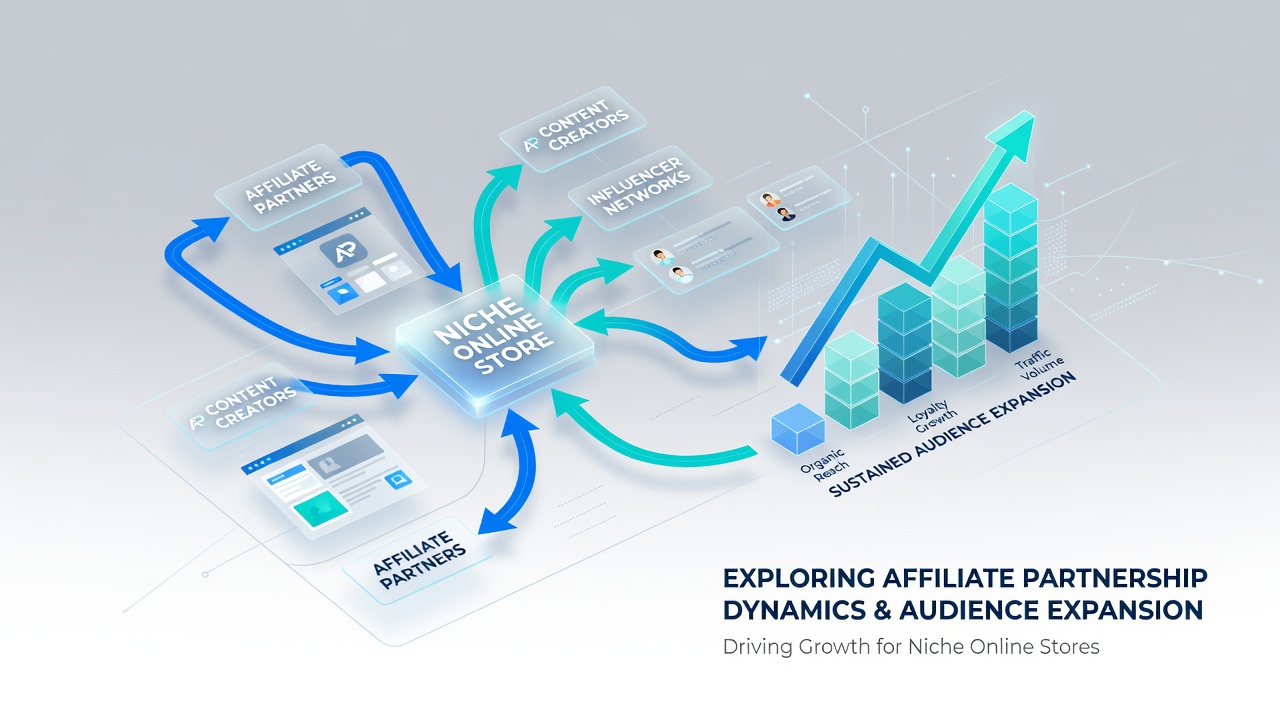
Observers note that affiliate partnerships have become a measurable driver in how niche online stores build and maintain audience reach over extended periods. Data from multiple e-commerce analyses shows these arrangements connect specialized retailers with content creators and reviewers who already hold engaged followings in particular categories such as outdoor gear, craft supplies, or specialty foods. The growth pattern typically begins with targeted outreach, moves through performance tracking, and scales when conversion metrics demonstrate consistent returns.
Core Mechanisms Behind Partnership Expansion
Research indicates that successful programs rely on structured commission structures combined with real-time analytics dashboards. Those who have examined industry reports find that stores often start by identifying creators whose audiences overlap with the store's product focus, then formalize agreements that tie payouts to tracked sales or qualified leads. According to figures from the European Commission on digital commerce, affiliate-driven traffic in specialized retail segments grew steadily between 2023 and 2025, with smaller merchants reporting higher proportional gains than large general marketplaces.
What's interesting is how these relationships evolve. Initial agreements frequently focus on single-product promotions, yet they expand into ongoing content series when both parties observe sustained engagement. Studies from research institutions such as the University of Melbourne have documented that niche stores using layered tracking codes across multiple creator channels achieve broader geographic distribution of visitors without proportional increases in paid advertising spend.
Audience Expansion Patterns Observed in Practice
Evidence suggests audience growth occurs through repeated exposure rather than one-time spikes. Creators publish reviews, tutorials, or comparison pieces that direct interested readers to the store site; when those readers return for subsequent purchases or newsletter sign-ups, the store records measurable retention. Data shows this cycle strengthens when stores supply creators with updated product information and exclusive discount codes that creators can share directly with their communities.
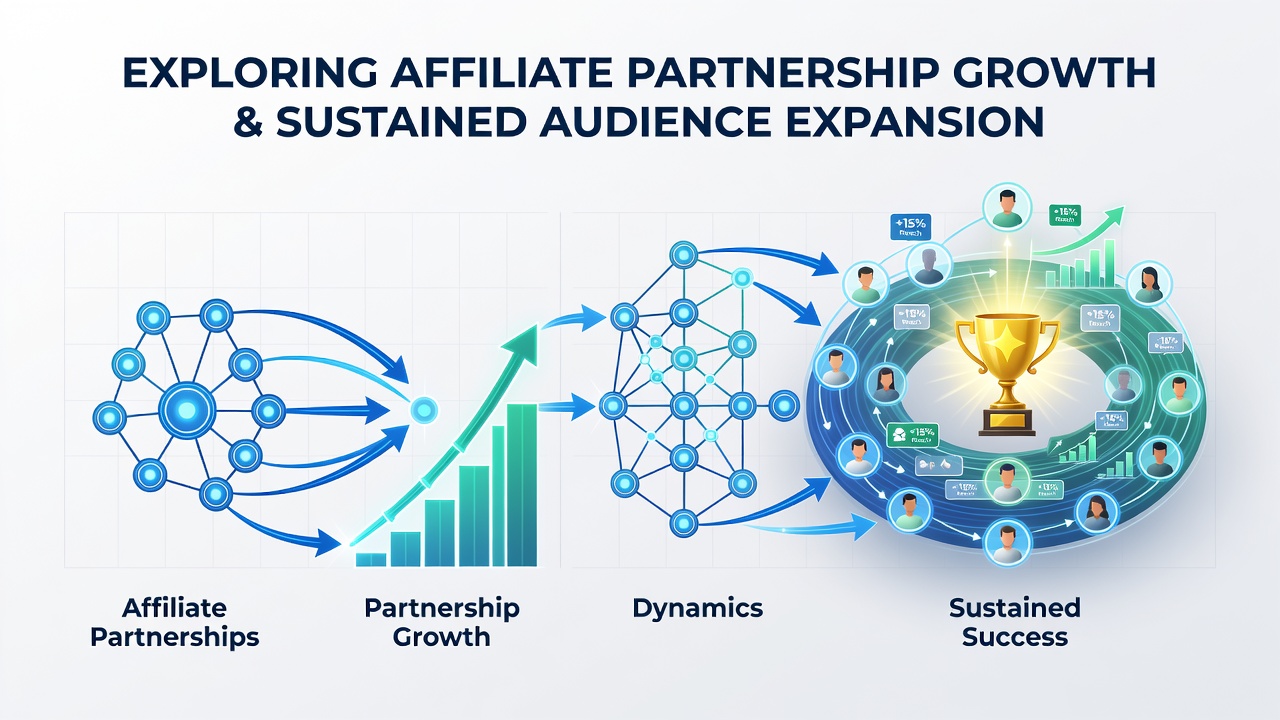
Take one retailer specializing in sustainable kitchenware that partnered with several micro-influencers focused on zero-waste living. Tracking data revealed that referral traffic from these partnerships accounted for a rising share of new customer acquisitions each quarter, while repeat purchase rates among those referred visitors remained above the store average. Observers note similar patterns across other categories where content creators maintain ongoing series rather than isolated posts.
Measurement and Adjustment Practices
Those who've studied performance metrics emphasize the importance of multi-touch attribution models. These models assign value across the sequence of creator content a visitor encounters before completing a purchase. Industry reports compiled in September 2026 highlighted that stores adopting such models adjusted commission rates more precisely, allocating higher payouts to creators whose content generated longer-term customer value instead of only first-click conversions.
But here's the thing: not every partnership scales equally. Stores routinely review performance dashboards to identify underperforming links and reallocate resources toward creators whose audiences demonstrate stronger alignment. Figures reveal that programs maintaining quarterly reviews sustain higher overall growth rates than those operating without scheduled evaluations.
Integration with Broader Marketing Efforts
Affiliate channels frequently complement email and social campaigns rather than replace them. When a store coordinates product launches with multiple creators simultaneously, the combined reach can produce measurable lifts in site visits and social mentions. Research indicates that coordinated campaigns lasting several weeks produce more stable traffic patterns than single-day promotions, because audiences encounter the store through varied content formats over time.
One documented case involved a Canadian retailer of technical outdoor apparel that synchronized affiliate content drops with its own seasonal catalog releases. The resulting data showed increased newsletter subscriptions from referred visitors, suggesting that partnership activity can feed into owned audience channels when messaging remains consistent.
Conclusion
Available evidence demonstrates that affiliate partnership growth contributes to sustained audience expansion in niche online stores through systematic creator selection, performance monitoring, and integration with existing channels. Metrics tracked across multiple regions indicate that stores maintaining structured programs record higher proportions of referral-driven acquisitions and repeat engagement compared with those relying solely on direct or paid search methods. Continued refinement of tracking and compensation approaches supports the ongoing relevance of these arrangements within specialized retail environments.