Ines Lehmann · 28 October 2026
How Targeted Directory Integrations Shape Audience Retention Patterns in Specialized Retail Ecosystems
Specialized retail ecosystems rely on targeted directory integrations to connect niche products with specific consumer groups, and these connections influence how audiences return over time. Retailers in areas such as outdoor equipment, craft supplies, and technical hobby goods use directories that match buyer profiles with inventory details, which creates pathways for repeat visits rather than one-time purchases. Data from October 2026 shows that stores integrating with category-specific directories experienced measurable shifts in return rates compared with those relying on general search listings alone.
Directory Integrations and Their Core Functions
Targeted directories operate by embedding product metadata, location details, and availability updates into platforms that serve defined interest communities, and this setup allows retailers to appear in searches conducted by motivated buyers. Observers note that when a directory pulls live stock levels from a store's system, users receive accurate information that reduces friction during the decision process. Researchers have tracked how such real-time feeds correlate with higher engagement metrics in sectors where product specifications matter deeply, because buyers return to check updates on limited editions or seasonal items.
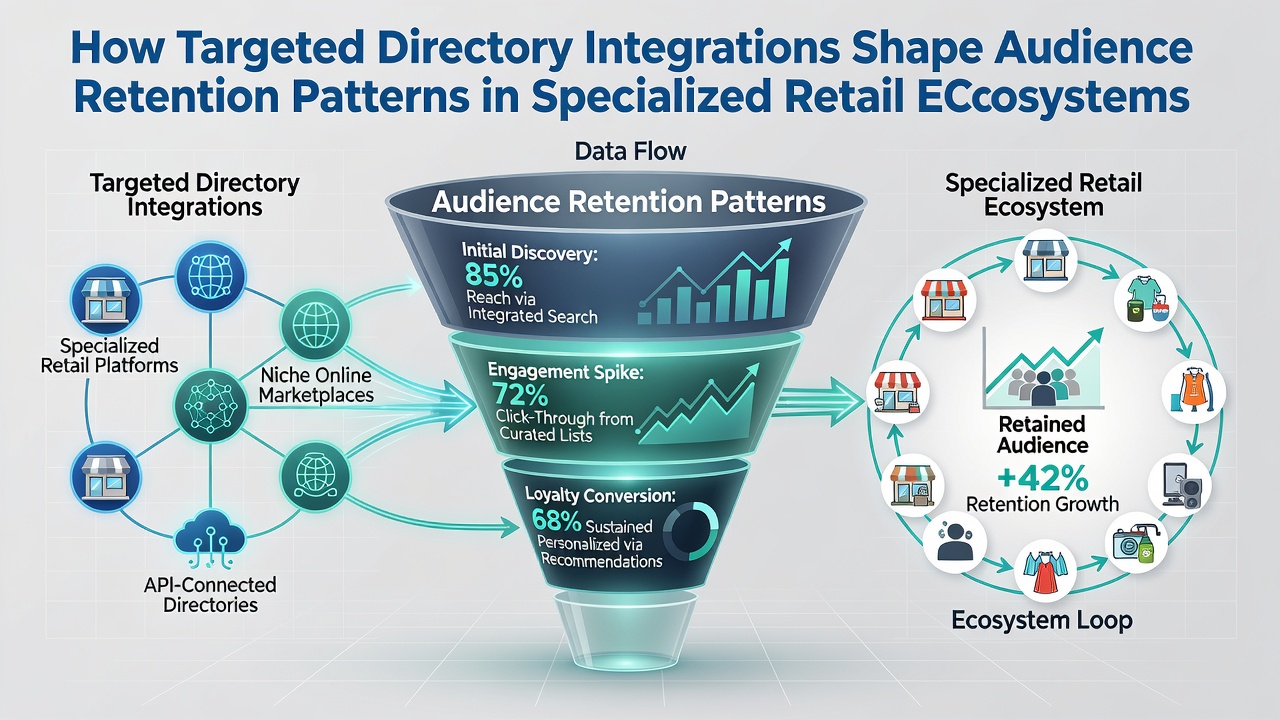
Integration also involves API connections that push customer preference signals back to the retailer, which enables tailored follow-up communications. Those who've examined these systems find that directories serving hobbyist groups often include review aggregation tools, and this aggregation surfaces patterns in what keeps audiences engaged long after the initial transaction.
Retention Patterns Across Different Retail Niches
Specialized retailers see distinct retention curves once directory integrations activate. In the technical hobby segment, for instance, repeated directory listings that highlight compatibility with existing user setups lead to sustained check-ins, while general listings produce flatter engagement lines. Studies indicate that integration depth matters more than sheer volume of directory appearances, since deeper ties allow for segmented audience grouping that matches product releases with buyer timelines.
What's interesting is how these patterns vary by region, with North American data revealing steadier repeat rates in outdoor retail when directories incorporate trail condition feeds, whereas European counterparts show stronger retention through integrations that align with regulatory labeling standards. According to figures from Statistics Canada, Canadian specialty stores using localized directory tools reported consistent month-over-month return traffic increases through mid-2026.
Mechanisms Driving Return Behavior
Several mechanisms link directory integrations to retention outcomes. First, unified listings reduce the effort required for buyers to locate restocked items, and this lowered effort translates into habitual checking behavior. Second, directories that permit user-generated updates create community layers around products, which encourages participants to monitor activity threads over extended periods. Third, analytics pulled from integrated directories help retailers time promotions to match audience availability windows, and this timing precision supports higher re-engagement levels.
But here's the thing: not every integration produces uniform results, because mismatched directory categories can dilute visibility and scatter audience attention across unrelated listings. Retail operators therefore test directory alignment before full rollout, and those tests often reveal which metadata fields most strongly predict repeat visits within a given niche.
Evidence from Recent Industry Reports
Reports compiled through late 2026 document retention gains tied to integration quality rather than directory count. Academic analyses from research institutions highlight that stores combining directory data with internal CRM systems achieve more stable audience cohorts, while isolated integrations show quicker drop-off after initial spikes. Australian retail data released by the Australian Bureau of Statistics tracks similar trends in specialized segments, noting that directory-linked stores maintained higher loyalty indicators across quarterly measurements.
Observers further point out that retention improves when directories support cross-device continuity, allowing users to move from mobile discovery to in-store pickup without losing context. This continuity reduces abandonment points and builds cumulative familiarity with the retailer's ecosystem.
Conclusion
Targeted directory integrations shape audience retention by embedding accurate, category-relevant information into buyer workflows, and the resulting patterns reflect both technical connection quality and audience segment fit. Retailers who align integrations with their specific product attributes and buyer habits record steadier return traffic, while broader patterns tracked through 2026 demonstrate that selective rather than expansive directory strategies deliver more consistent outcomes across specialized ecosystems.