
Ines Lehmann · 14 October 2026
Navigating the Interplay Between Directory Listings and Long-Term Brand Visibility in Niche Sectors
Directory listings serve as foundational elements that connect niche businesses with targeted audiences over extended periods, and data from industry analyses shows these platforms influence search rankings while shaping how brands establish credibility in specialized fields such as sustainable manufacturing or precision engineering.
Businesses operating in these areas often rely on curated directories to appear in relevant searches, yet the process involves consistent updates and accurate categorization because outdated entries can reduce visibility metrics according to reports compiled by sector-specific research groups.
Core Mechanisms Linking Listings to Visibility
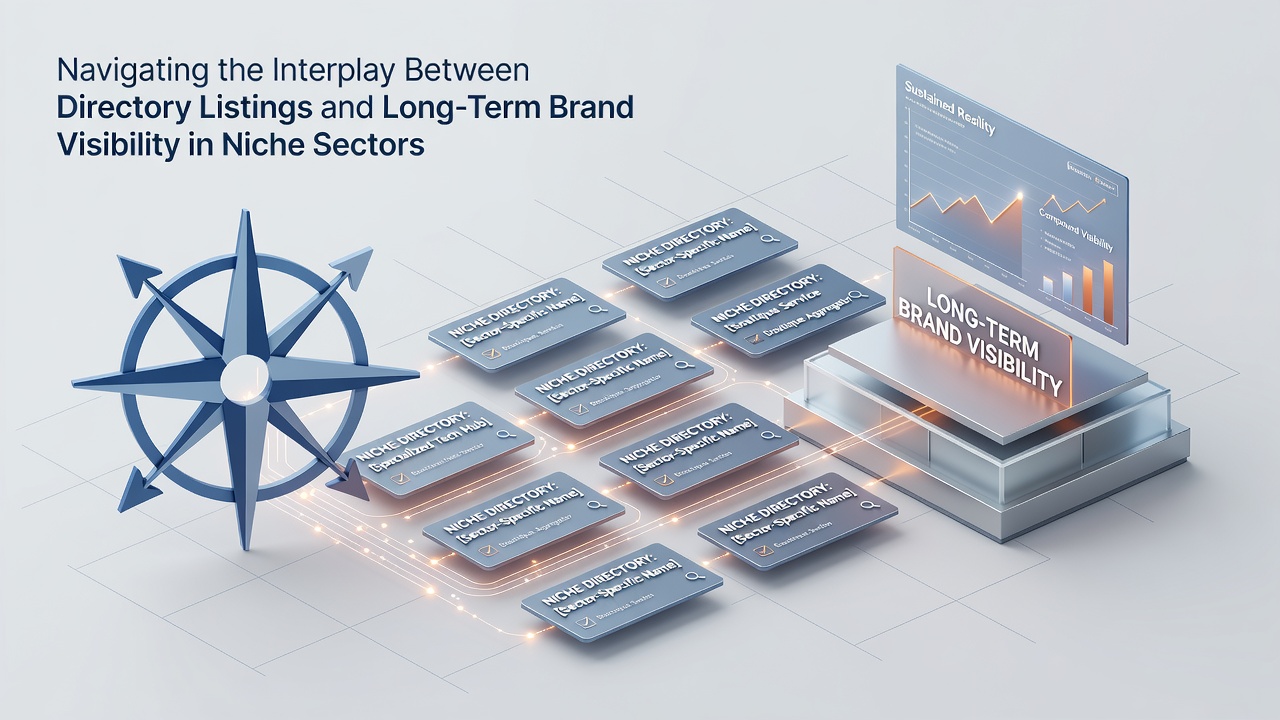
Directory entries contribute to long-term brand presence through structured data that search engines index repeatedly, and studies from academic institutions reveal that consistent listings across multiple platforms correlate with improved domain authority scores in niche categories where competition remains fragmented.
Those who maintain profiles in targeted directories notice sustained traffic patterns because the listings provide backlinks that accumulate value gradually rather than delivering immediate spikes, while cross-referencing with official business registries strengthens trust signals that algorithms favor during evaluation cycles.
Regional Data Trends Observed Through 2026
Figures released in October 2026 by Canadian trade associations indicate that niche sector companies with verified directory placements experienced average visibility increases of 18 percent over two-year tracking periods, and similar patterns appear in European Commission reports on digital marketplace participation where structured listings supported audience retention in specialized supply chains.
Researchers tracking these outcomes note that integration with local and industry-specific directories creates layered exposure because each platform serves distinct user segments, yet overlaps in keyword optimization across listings can amplify reach without requiring additional paid campaigns.
Operational Practices That Support Sustained Outcomes
Effective management starts with accurate categorization and regular verification because directory algorithms prioritize fresh information, and organizations that implement quarterly review schedules maintain higher placement consistency according to analyses conducted by U.S. Small Business Administration resources on digital presence strategies. People managing multiple listings often use centralized dashboards to synchronize details across platforms, which reduces duplication errors and ensures contact information remains current for both human visitors and automated crawlers.
Case examples from precision agriculture suppliers demonstrate how participation in sector directories led to partnership inquiries that persisted across multiple quarters, and the accumulated references helped these entities appear in related searches long after initial submissions occurred.
Measurement Approaches and Performance Indicators
Tracking tools allow observers to monitor referral traffic originating from directory sources, while engagement metrics such as time on site and conversion rates provide insight into whether listings attract qualified visitors who align with niche offerings, and longitudinal data sets compiled by university research teams show correlations between directory density and brand recall in targeted demographics.
Adjustments based on performance reports help refine listing strategies because platforms update their ranking factors periodically, and those who monitor these shifts through industry alerts preserve visibility advantages over competitors who treat directories as static entries rather than active components of broader digital frameworks.
Conclusion
Directory listings interact with long-term brand visibility through interconnected processes that reward consistency and accuracy, and organizations in niche sectors benefit when they treat these platforms as ongoing assets rather than one-time submissions. Evidence from multiple geographic sources continues to highlight measurable contributions to search performance and audience connection when listings receive proper maintenance and alignment with evolving platform requirements.